Alliances and Rival Rulers in Sovereign Tower
Neighbour diplomacy, rival pressure, and deadline clashes around the tower
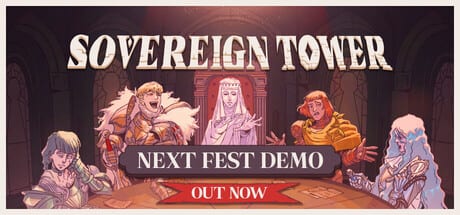
Sovereign Tower is not only a castle management puzzle. Wild Wits and Curve Games frame your solo rule as a regional pressure cooker: neighbouring counties ask for help, rival rulers test your dignity, and multi-day quests collide with promises you made in morning audience. The Steam demo covering Act 0 and Act 1 already teaches that diplomacy is another assignment board — not a separate grand strategy mode — before the August 6, 2026 PC launch on Windows, macOS, and SteamOS.
This guide explains how alliances and rivals show up in practice, how they interact with Factions and Quest Outcomes, and how to avoid the classic demo trap of accepting every courier while your Round Table is already booked.
Diplomacy is still the daily loop
Alliance content arrives through the same three phases described in How to Play and Controls:
- Audience — couriers, envoys, and angry neighbours petition you.
- Exploration — advisors and knights gossip about borders and grudges.
- Round Table — diplomacy becomes multi-day cards with Strength, Agility, Charisma, Magic, or Wit checks.
There is no multiplayer diplomacy panel. The experience is solo-only. You cannot outsource foreign policy to another player.
Neighbouring counties and alliance asks
Neighbour petitions usually request escort, mediation, tribute, or a knighted presence at a border crisis. Accepting can raise People or Merchants standing while spending Treasury or locking knights for several days. Declining can cool Merchants trade or provoke Nobles who wanted a show of force.
Treat every alliance ask like a Round Table card preview:
- How many days will knights be unavailable?
- Which faction meters move if you succeed or fail?
- Does the ask conflict with a local crisis already on the board?
- Does your sovereign archetype make a kinder or harsher reply available? See Sovereign Archetypes.
Alliances are not permanent toggles in the demo language — they are relationships you feed with completed quests and respectful audience answers.
Rival rulers and ego traps
Rival rulers appear as named pressure in petitions and quest text. They may mock your Treasury, challenge your knights, or demand you abandon a neighbour you already promised to help. Rival scenes are excellent places for Audacity or Tyranny dialogue if those archetypes are active, but they also punish empty bravado when your roster is thin.
Common rival patterns:
- Public insults that demand Charisma rebuttals or Magical displays.
- Border skirmish cards that look like combat but resolve as assignment risk.
- Deadline bait — a rival forces a short timer while a multi-day alliance quest is already running.
If a rival forces a rewrite of your week, consider whether a Demon rewind is cleaner than a cascade of Critical Failures — Time Rewind and Quest Outcomes explain the trade.
Multi-day quests versus diplomatic deadlines
Player notes from early demos repeatedly cite the pain of multi-day quests conflicting with hard audience deadlines. That conflict is the heart of alliance play.
Before you accept a neighbour’s five-day escort:
- Check which knights would be locked — especially flexible covers like Angelica or Gwendan from the Roster.
- Ask whether tomorrow’s audience already teases a rival challenge.
- Confirm forge or training ground work will not leave those same knights undergeared — Annexes.
- Use the Quest Matcher to confirm the card’s stat profile before locking your best Charisma face.
Failing a diplomatic multi-day card can damage Knight Loyalty as hard as a local beast hunt, because knights hate dying for a promise you mismanaged.
Factions as foreign policy sensors
Merchants want trade corridors open. Nobles want prestige victories. People want food and safety first. Mystics and Scholars care when magic or knowledge is the diplomatic currency. Treasury funds the gifts and annex tools that make your envoys look competent.
Track meters with the Faction Balance Tracker when you juggle two neighbours and one rival in the same week. A successful alliance quest that tanks People standing is still a bad week for the tower.
Regional labels on the kingdom map
Alliance cards often name regions already covered in the Kingdom Map overview — Groveshire, Gavault, and courier routes beyond the tower walls. You do not paint borders on a grand map; you read region tags on quest cards and accept that travel time equals locked knight days.
If Act 1 story pressure spikes in Groveshire or Gavault, pause optional neighbour favours until the Demo Walkthrough crises settle.
Archetypes that change diplomatic tone
- Kindness — softer refusals and neighbour rescue options.
- Wisdom — compromise lines that delay a crisis without open war.
- Audacity — bold rival call-outs; also relevant to Brunhilda recruitment politics.
- Tyranny — intimidation that can scare rivals and frighten People at home.
Gaps between archetypes can unlock hybrid replies. Do not assume every diplomatic branch is always visible — build the tone you want early via Best Opening Strategy.
Intendant intelligence for foreign policy
Lady Alwena’s daily investigation can reveal knight traits that matter on diplomatic cards — a Charisma specialist who secretly hates Merchants may sabotage a trade escort. Investigate before locking them on a five-day alliance run. Full flow: Intendant Guide.
Rebellion and internal alliances
Not every alliance is external. The Rebellion Walkthrough shows how Mathilda, Brunhilda, and your own court become a domestic alliance crisis. Treat that arc as foreign policy at home: you choose sides, pay loyalty costs, and may need Audacity to recruit rather than crush.
Practical diplomacy checklist
- Never accept two multi-day neighbour quests on the same day without spare knights.
- Keep one flexible Charisma or Wit knight free for surprise rival cards.
- Read faction tags before Treasury gifts — bribes without standing gains waste gold.
- After a Critical Failure abroad, repair loyalty before the next escort.
- Use rewinds for catastrophic rival bait, not for polishing every imperfect reply.
Related pages
Alliances in Sovereign Tower reward rulers who treat neighbours as calendar entries and rivals as narrative pressure — not as optional DLC menus. Keep knights free, meters honest, and promises fewer than your Round Table can keep.
Frequently Asked Questions
Quick answers to the most common questions.
How do alliances work in Sovereign Tower?
Neighbour counties petition you in audience and create multi-day Round Table quests. Completing them builds cooperative standing; failing them damages factions, Treasury plans, and knight loyalty.
Can rival rulers force me into bad quest timing?
Yes. Rival challenges often appear with short deadlines while multi-day alliance quests already lock knights. Plan spare coverage or consider a Demon rewind if the cascade is fatal.
Is there a separate diplomacy map mode?
No. Diplomacy uses audience dialogue and Round Table cards with region tags. See the [Kingdom Map](/systems/kingdom-map/) overview for how regions are labeled.
Do sovereign archetypes change alliance dialogue?
They can. Kindness, Wisdom, Audacity, and Tyranny unlock different replies to neighbours and rivals. Details are on [Sovereign Archetypes](/guides/sovereign-archetypes/).
Is alliance content multiplayer?
No. Sovereign Tower is solo-only. Foreign policy decisions and knight assignments stay entirely under your control.